
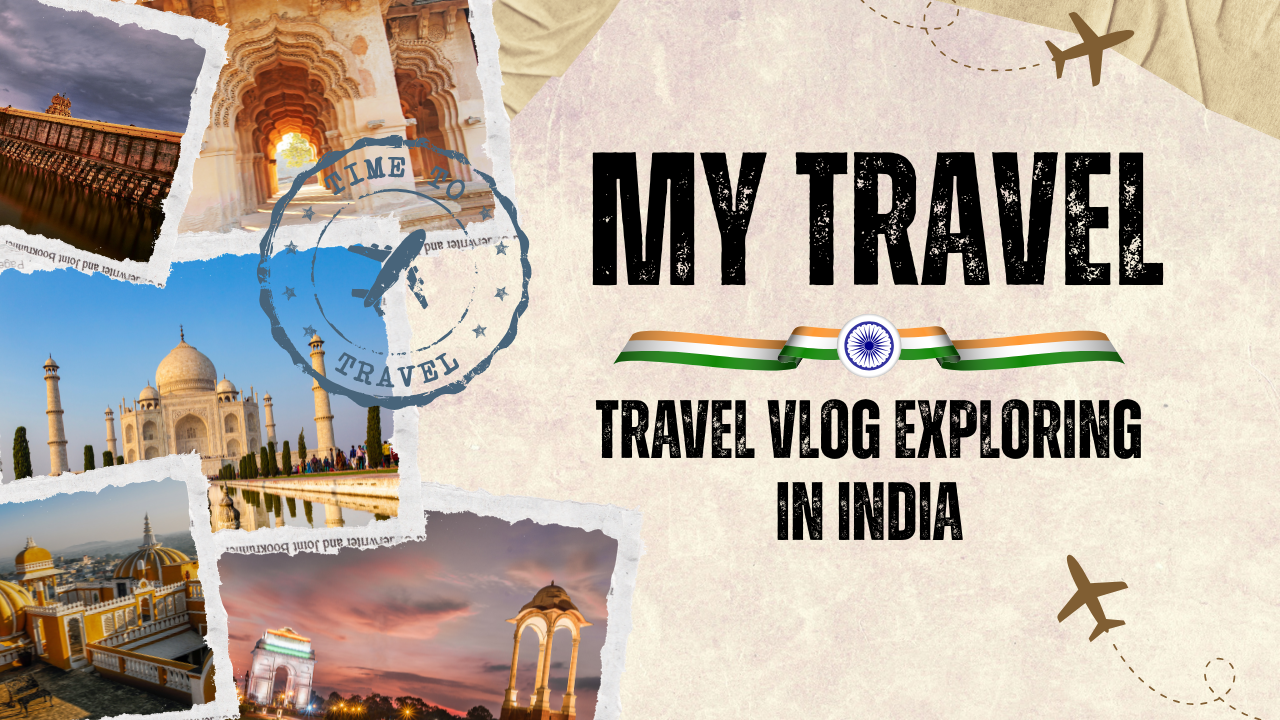
India–US Travel Advisory: What’s Going On?

Introduction
You probably saw a headline somewhere and thought, wait… should I cancel my trip?
Yeah, same reaction most people have.
News like india joins us travel advisory sounds dramatic. Almost like something serious just happened overnight. But here’s the thing… it usually isn’t that simple.
Travel advisories get updated all the time. Quietly. Without drama.
But once it hits headlines, suddenly everyone thinks flights are being stopped or visas are at risk.
That’s not how it works.
In this guide, I’ll break it down properly—what changed, what didn’t, and honestly, what people tend to misunderstand about these advisories. No fluff. No over-explaining.
First, What Does a Travel Advisory Even Mean?
Let’s clear this up because most blogs mess this part.
A travel advisory from the US isn’t a ban. It’s not even a strict warning in many cases.
It’s more like… a guidance system.
The US State Department uses levels:
- Level 1: Exercise normal precautions
- Level 2: Exercise increased caution
- Level 3: Reconsider travel
- Level 4: Do not travel
Now let’s be real for a second.
Half the world sits at Level 2. Even popular countries.
So when people hear india joins us travel advisory, they assume something major dropped. In reality, India has been under advisory categories for years.
It’s not new.
Why Did This News Suddenly Blow Up?
Honestly, headlines love drama.
What usually happens is:
- A minor update gets published
- Media picks one line out of context
- Social media runs with it
And boom… panic.
That’s where most people get it wrong.
India didn’t suddenly become unsafe. The advisory just reflects ongoing conditions—things like regional security concerns, petty crime in some areas, or standard caution advice.
Stuff that already existed.
So… Is India Unsafe for US Travelers?
Short answer? No.
Longer answer? It depends on how you travel.
India is massive. Saying it’s “safe” or “unsafe” as a whole doesn’t even make sense.
It’s like judging an entire continent with one label.
Some areas are extremely tourist-friendly—think Goa, Kerala, Rajasthan.
Others? Yeah, you should be more cautious.
But that’s true almost everywhere.
Even in Europe.
What Actually Changed in the Latest Update?
Here’s where things get a bit technical, but I’ll keep it simple.
The india joins us travel advisory update mostly highlights:
- Increased caution in certain regions (border areas mainly)
- Standard reminders about scams and petty theft
- Safety notes for solo travelers, especially women
- Occasional mentions of local protests or disruptions
Nothing shocking.
Honestly, if you’ve traveled even once internationally, you’ve already dealt with similar advisories.
Travel Advisory vs Reality (Let’s Compare Honestly)
| Aspect | Travel Advisory Says | Real Ground Situation |
|---|---|---|
| Safety | Exercise caution | Mostly safe in tourist zones |
| Crime | Petty theft possible | Same as any major country |
| Transport | Be cautious | Widely used, mostly reliable |
| Local Risks | Regional warnings | Only applies to specific areas |
| Overall Travel | Not restricted | Millions travel yearly without issues |
See the gap?
Advisories are cautious by nature. They’re written to cover worst-case scenarios, not daily reality.
The Mistake Most Travelers Make
They either ignore advisories completely…
or they panic way too much.
There’s no middle ground.
The truth is, advisories are useful—but only if you read them properly.
Not just headlines.
Who Should Actually Take This Seriously?
Now this part matters.
If you’re:
- A first-time international traveler
- Traveling solo
- Planning to visit remote or border regions
Then yeah… read the advisory carefully.
Otherwise?
If you’re going to popular cities, tourist circuits, or well-known destinations… you’re fine. Just stay aware like you would anywhere.
Regional Warnings (This Is Where It Matters)
Not all parts of India are treated equally in advisories.
Some regions flagged more often include:
- Border areas near Pakistan
- Parts of Jammu & Kashmir
- Certain northeastern regions
But here’s the catch—most tourists don’t even go there.
So when the advisory mentions risks, it’s usually tied to these specific zones.
Not the entire country.
How Travelers Should Actually Respond
Let’s keep this practical.
If you see news like india joins us travel advisory, don’t rush into decisions. Instead:
- Check which level is assigned
- Look at specific regions mentioned
- Compare with your travel plan
That’s it.
No need to cancel bookings or panic-scroll Reddit threads for hours.
Expert Insight
“Most travelers misunderstand advisories. They think it’s a warning against travel, but it’s actually a guide on how to travel smarter.”
Simple. And honestly, accurate.
What About Visa or Flight Impact?
This comes up a lot.
No, a travel advisory does NOT:
- Cancel visas
- Stop flights
- Ban entry
Those are government-level decisions, completely separate from advisories.
So if you were worried about that… you can relax.
Solo Travel & Safety (Real Talk)
This is where things get a bit more nuanced.
India is safe for solo travel—but not effortless.
You need:
- Basic awareness
- Smart planning
- Common sense
Especially in crowded areas.
For solo female travelers, extra caution helps. Not fear. Just awareness.
Media vs Reality
Honestly, media exaggeration plays a big role here.
Bad news travels faster. Always.
But what you don’t see:
- Millions of tourists visiting India yearly
- Normal, uneventful trips
- Positive experiences
That doesn’t make headlines.
Should You Change Your Travel Plans?
If your plan was:
- Delhi
- Jaipur
- Goa
- Kerala
- Mumbai
Then no.
Stick to it.
If you were planning remote or sensitive regions… maybe rethink or research more.
That’s all.
FAQs
1. What does india joins us travel advisory actually mean?
It means India is included in the US advisory system, not that travel is banned or unsafe.
2. Is India safe to visit in 2026?
Yes, especially in major tourist areas. Just follow basic precautions.
3. Does a travel advisory affect my visa?
No. Advisories don’t impact visa approvals or travel permissions.
4. Which parts of India are considered risky?
Mostly border regions and specific areas like parts of Kashmir.
5. Should I cancel my trip because of this news?
No, unless your destination is specifically mentioned as high-risk.
6. Are travel advisories always accurate?
They are cautious by design, sometimes more than necessary.
7. Do other countries also have advisories?
Yes, almost every country is listed under some advisory level.
Conclusion
At first glance, india joins us travel advisory sounds serious. Maybe even alarming.
But once you break it down… it’s not that dramatic.
It’s guidance. Not a warning to stay away.
If you travel smart, stay aware, and don’t wander into sensitive regions without planning—you’ll be fine.
Honestly, most trips go exactly as planned.
So don’t let headlines decide your experience.
Make informed choices. Then go see the place yourself.